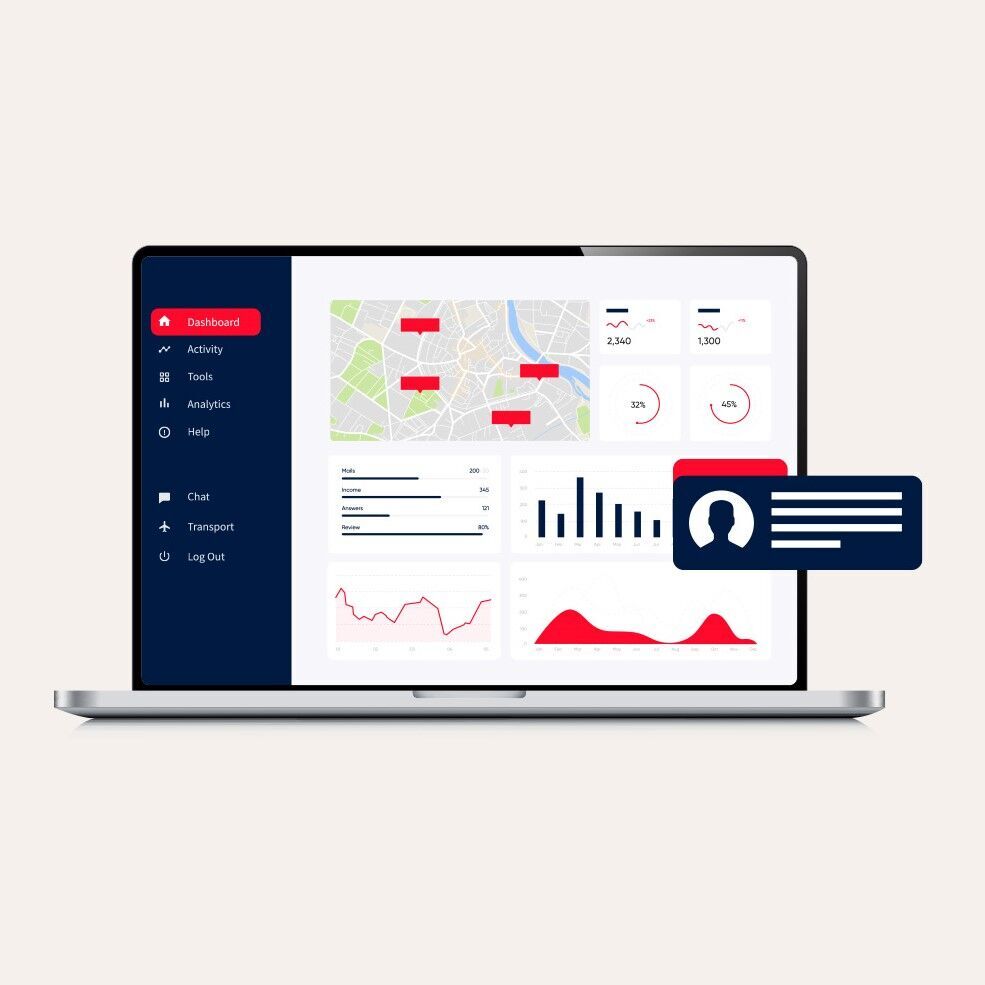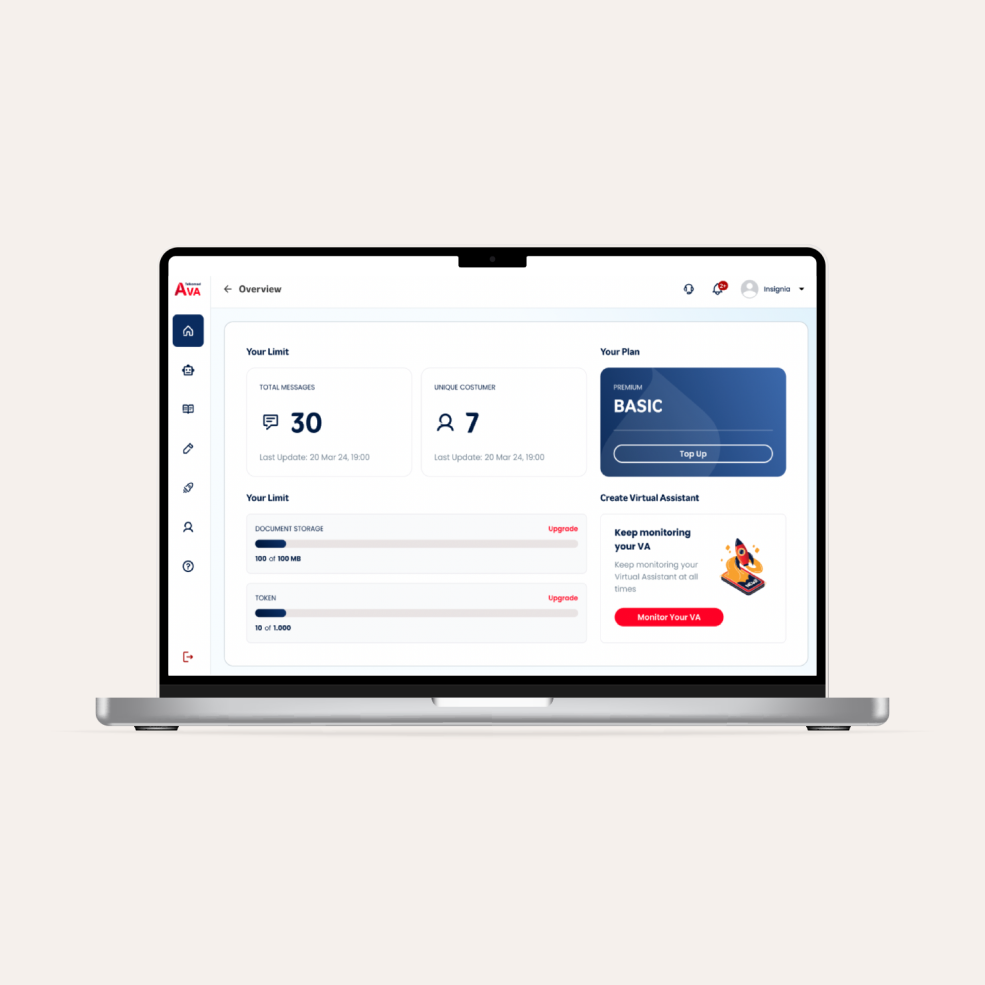






Efficient operations, smarter decisions, and sustainable growth, these are just a few advantages that businesses can gain with a strong data management system. In today’s digital-first economy, managing data isn't just a technical requirement, but it’s a strategic asset that drives competitive advantage.
This article explores the full scope of data management, its growing importance in business, and how it serves as a powerful foundation for long-term success.
What Is Data Management?
At its core, data management is the comprehensive process of collecting, organizing, storing, protecting, and utilizing data across an organization in a secure, efficient, and meaningful way. It ensures that data, whether customer records, sales trends, or operational metrics is accurate, accessible, and actionable when needed most.
Think of it as the central nervous system of your business: without proper coordination, signals get lost, decisions go awry, and growth stalls.
Key activities involved in effective data management include:
-
Collecting data from internal systems and external sources
-
Storing data in secure and accessible environments such as cloud platforms or databases
-
Processing and analyzing data to generate valuable insights
-
Protecting data from misuse, breaches, or loss
-
Disposing of outdated or irrelevant data in compliance with policies and regulations
A robust data management system transforms raw data into actionable intelligence, enabling businesses to turn information into an enduring competitive edge.
Why Is Data Management Important in Business?
Implementing a reliable data management framework offers significant business advantages. Here's how it helps:
-
Supports Targeted Marketing Strategies
Gone are the days of blanket advertising. Today’s consumers demand relevance. With advanced data management, companies can analyze behavioral patterns, purchase history, demographics, and engagement trends to craft hyper-targeted marketing campaigns.
By understanding who your customers are, what they want, and when they’re most likely to buy, you can deliver personalized messages that convert.
-
Saves Time and Reduces Costs
When your data is well-organized and easy to retrieve, employees spend less time searching for information. This reduces delays, speeds up processes, and minimizes operational expenses, all while increasing productivity.
-
Improves Decision-Making Accuracy
Intuition has its place, but in business, decisions backed by data win. Whether launching a new product, entering a new market, or restructuring teams, leaders need reliable information.
Effective data management provides timely, accurate, and holistic insights. Dashboards update in real time. Reports reflect current conditions. Predictive models forecast outcomes. This empowers executives to act proactively rather than reactively.
-
Ensures Compliance with Data Regulations
With laws like Indonesia’s UU PDP (Perlindungan Data Pribadi) and the EU’s GDPR, businesses must handle personal data responsibly. Failure to comply can result in penalties, lawsuits, and loss of consumer trust.
A strong data management framework embeds compliance into daily operations. Access controls, audit trails, encryption, and retention policies ensure that data is handled legally and ethically.
-
Eliminates Data Inconsistencies
Have you ever seen two departments reporting different sales figures for the same quarter? That’s a classic symptom of data silos, disconnected systems storing conflicting versions of the truth.
Data management solves this by standardizing formats, centralizing storage, and enforcing data governance rules. Everyone works from the same source of truth, reducing errors and improving cross-functional collaboration.
-
Drives Revenue and Profitability
With more accurate decision-making, sharper strategies, and operational efficiency, your business can improve sales effectiveness, customer retention, and market expansion. All of this directly contributes to increased revenue and profitability.
-
Strengthens Data Security
Cyberattacks, ransomware, and data leaks are among the top threats to modern businesses. A single breach can cost millions and destroy years of brand equity.
A mature data management system includes robust security protocols: multi-factor authentication, end-to-end encryption, intrusion detection, and automated backups. Sensitive data, be it financial records, intellectual property, or customer identities is shielded from internal and external threats.
-
Enables Innovation and Product Development
The best ideas don’t come from brainstorming in a vacuum, they come from listening to the data. Customer feedback, usage patterns, and market gaps reveal unmet needs and emerging trends.
By analyzing well-managed datasets, companies can innovate with confidence. Launch products that solve real problems. Improve features based on actual behavior. Stay ahead of competitors who are still guessing.
-
Turns Data into High-Value Assets
Rather than simply serving as documentation, data can be transformed into a strategic asset if properly managed. In-depth data analysis can unlock new business opportunities, create added value, and provide a long-term competitive advantage.
Common Challenges in Implementing Data Management
Despite its importance, implementing an effective data management system isn’t without its hurdles:
-
Tightening Data Regulations
As governments worldwide introduce stricter data privacy laws, businesses must continually adjust their systems to remain compliant. This often increases administrative costs and requires ongoing employee training.
-
Massive Data Growth (Data Explosion)
Businesses today generate massive volumes of data, from transactions and social media to IoT devices. Managing such a large and growing dataset can strain infrastructure and make it difficult to separate useful insights from noise.
-
Data Silos Across Systems
Many organizations struggle with fragmented data spread across different platforms (e.g., CRM vs. logistics systems). This leads to inconsistencies, poor collaboration, and a lack of unified data visibility.
Steps to Implement Data Management Effectively
The key to overcoming these challenges lies in combining technology, collaboration, and strategic execution. Here are the core steps to successful data management:
-
Foster Cross-Department Collaboration
Data management isn’t just IT’s job. It requires cooperation from every department. This includes appointing data stewards, using collaborative tools, and training staff on data literacy and governance.
-
Automate Processes Where Possible
Manual data entry is slow, error-prone, and unsustainable. Automation is the key to speed, accuracy, and scalability.
Implement ETL (Extract, Transform, Load) tools to automate data integration from multiple sources. Use AI-powered platforms to clean and enrich datasets. Automate report generation and real-time dashboards so insights are always up to date.
-
Leverage Cloud Computing
Cloud computing offers the flexibility of centralized data storage and management with high scalability and security. Its implementation utilizes cloud services, automated cloud backups, and cloud-based SaaS for CRM, ERP, or project management systems.
Conclusion
A strategic data management system doesn’t just support business operations, but it fuels innovation, strengthens resilience, and drives growth. Whether you're optimizing marketing, ensuring compliance, or building new products, effective data management gives you the clarity and confidence to move forward.
And with solutions like MSIGHT by Telkomsel Enterprise, even mid-sized businesses can tap into the power of big data without massive infrastructure investments.
The future belongs to those who see data not as a challenge, but as an opportunity. Contact Telkomsel Enterprise today to discover how our data management solutions can help you unlock deeper insights, drive smarter decisions, and build a business that thrives in the digital era.