





Asset Performance Management (APM) helps companies achieve higher levels of operational efficiency while also playing a crucial role in maintaining product quality.
Maintaining consistent product quality is a critical challenge for modern manufacturing and industrial operations. As production processes grow more complex, companies are turning to Asset Performance Management (APM) as a powerful solution to ensure operational excellence and, most importantly, superior product standards.
By integrating cutting-edge technologies like IoT (Internet of Things), advanced analytics, and machine learning, APM transforms how businesses monitor, manage, and maintain their physical assets. This proactive strategy allows companies to detect issues before they impact production, reduce unplanned downtime, and optimize asset performance across the board.
But what exactly is Asset Performance Management? And how does it directly contribute to preserving and even enhancing the quality of finished products? Let's explore.
What Is Asset Performance Management (APM)?
Asset Performance Management (APM) is a strategic framework that integrates technology, analytics, and operational best practices to ensure that physical assets operate at peak efficiency and reliability.
APM encompasses a set of processes and tools used to monitor, analyze, and optimize the performance of a company’s physical assets. Its main goal is to increase productivity, reduce operational costs, and minimize the risk of asset failure that could compromise both performance and product quality.
Key Components of APM
Asset Performance Management consists of several interrelated components that work together to achieve asset optimization and improved performance:
1. Data Collection with IoT Sensor
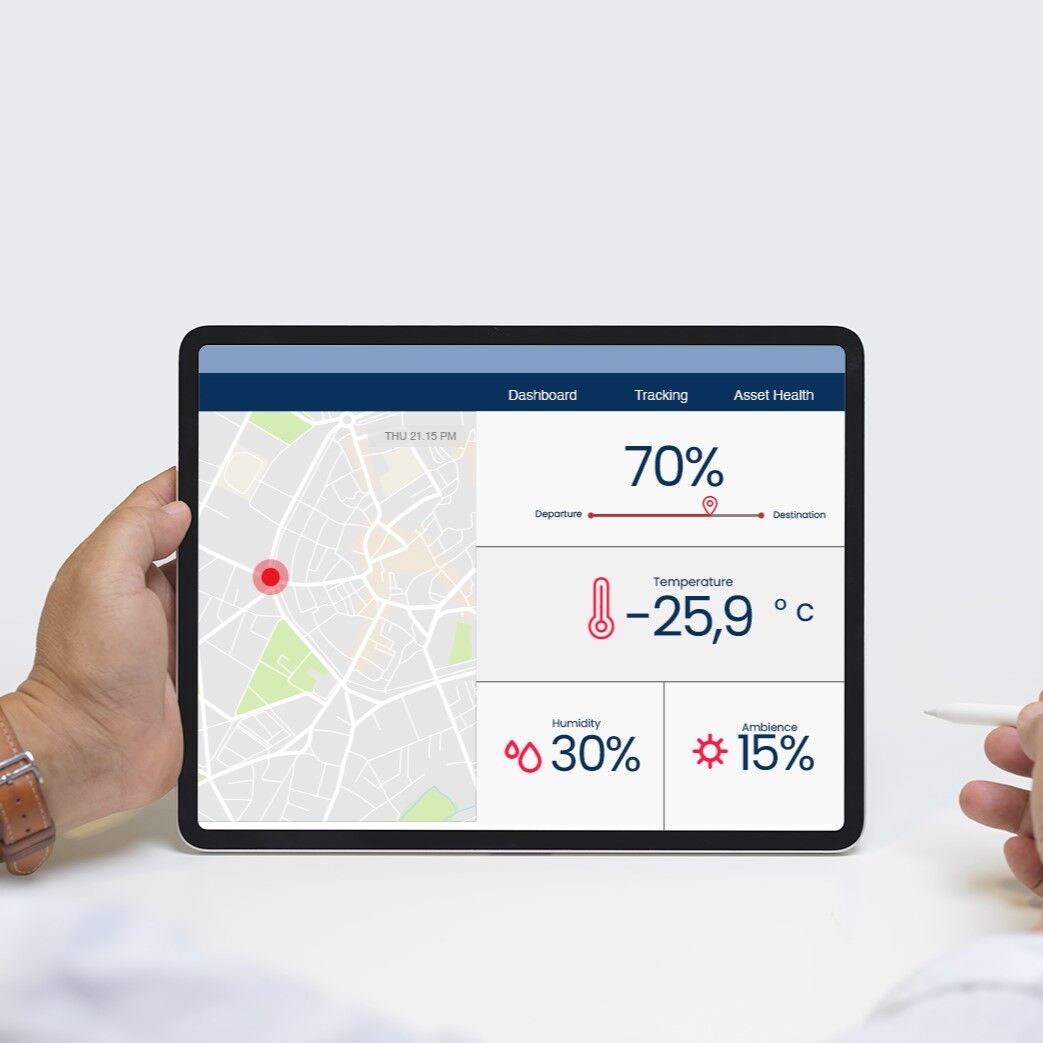
IoT Sensors: Connected via the Internet of Things (IoT), these sensors are installed on assets to collect real-time operational data such as temperature, pressure, vibration, and more. This data provides an accurate, up-to-date picture of asset health and performance.
SCADA Systems (Supervisory Control and Data Acquisition): These systems are used to monitor and control industrial processes by collecting data from IoT sensors and other field devices, making real-time operational oversight possible.
2. Data Analysis
Data collected from assets is processed using dedicated algorithms and analytics tools. This helps identify trends, detect potential failures, and predict problems before they escalate. These insights enable predictive maintenance and proactive responses to issues.
3. Visualization and Reporting
Interactive Dashboards: All analyzed data is presented through interactive dashboards that are easy to understand and interpret. These allow managers to continuously monitor asset performance and make informed decisions quickly.
Custom Reports: Tailored reports are generated based on business needs, offering a detailed overview of asset performance and highlighting areas that require attention or improvement.
How IoT Enhances APM for Product Quality
The Internet of Things (IoT) is a foundational element in modern Asset Performance Management. By connecting physical assets and enabling real-time data capture, IoT simplifies the process of monitoring and managing industrial equipment.
1. IoT Sensors for Real-Time Data Collection
IoT sensors are core tools in APM for gathering data from physical assets. These sensors continuously transmit information to the APM system, enabling real-time condition monitoring and deeper performance insights. Here are several common sensor types and their functions:
-
Temperature Sensors: Monitor equipment temperature. Overheating machines can cause production delays or reduce product quality.
-
Pressure Sensors: Useful for monitoring pressure levels in hydraulic or pneumatic systems to ensure optimal operation.
-
Vibration Sensors: Detect abnormal vibrations, which can be early indicators of mechanical imbalance or component wear.
-
Humidity Sensors: Essential in environments where moisture levels affect product quality, helping to maintain stable and acceptable conditions.
2. Communication and Network Infrastructure
To support real-time data transmission, IoT-enabled APM systems rely on robust communication technologies:
-
Wireless Networks (Wi-Fi, Zigbee, LoRaWAN): Enable wireless communication between sensors and centralized systems without requiring physical wiring, making deployment easier and more scalable.
-
5G Networks: Provide ultra-fast data transfer and low latency, making them ideal for industrial applications that demand high responsiveness.
-
Edge Computing: Allows data to be processed near the source, reducing latency and improving system responsiveness before the data is sent to the cloud for further analysis.
3. Analytics and Machine Learning in APM
The data collected by IoT sensors becomes truly valuable when paired with analytics and machine learning. These technologies enable:
-
Predictive Forecasting: Machine learning algorithms analyze both historical and real-time data to forecast potential asset failures and suggest maintenance actions in advance.
-
Anomaly Detection: ML models identify unusual patterns in asset behavior, highlighting issues that may go unnoticed with traditional monitoring methods.
4. Integrated APM Platforms
A complete APM solution requires an integrated platform that consolidates all data and delivers a comprehensive view of asset performance. Key features include:
-
Real-Time Dashboards: Provide intuitive visuals and performance indicators for continuous condition monitoring.
-
Custom Reporting: Tailored to the business’s operational goals, providing deep insights into asset efficiency and risks.
-
Alerts and Notifications: Automatically notify the technical team when anomalies or performance issues are detected, enabling faster response and resolution.
Benefits of APM in Ensuring Product Quality
Maintaining product quality isn’t just about meeting customer expectations, but it’s about protecting brand reputation and ensuring regulatory compliance. Here’s how APM contributes:
1. Early Anomaly Detection
APM enables early detection of anomalies through real-time monitoring of critical parameters. For example, an unexpected increase in machine temperature can indicate an underlying issue that, if ignored, might impact product quality. Early detection allows for immediate corrective action.
2. Predictive Maintenance
Instead of waiting for assets to fail, predictive maintenance focuses on anticipating when and where failures are likely to happen. This reduces unplanned downtime, avoids production disruptions, and helps maintain consistent output quality.
3. Minimized Downtime
Through accurate monitoring and timely maintenance, APM helps ensure that equipment remains operational without unplanned interruptions. Planned maintenance during non-peak hours helps protect both production flow and product quality.
4. Consistent Process Monitoring
IoT sensors collect continuous, real-time data from equipment and environments. This allows for immediate detection of deviations and helps ensure that every production stage stays within predefined standards.
5. Operational Efficiency
APM allows businesses to optimize asset usage and keep machinery running at peak capacity. Avoiding overuse or underuse helps ensure long-term performance and consistent product results.
Conclusion
Asset Performance Management (APM) is more than just a tool for maintenance, but it’s a comprehensive strategy for improving product quality, reducing costs, and enhancing operational efficiency.
By leveraging IoT technology and predictive analytics, APM empowers businesses to stay ahead of potential issues, maintain consistent output, and meet market demands with confidence.
At Telkomsel Enterprise, we offer IoT Asset Performance Management solutions designed to support real-time asset monitoring, environmental tracking, and automated alerts. Our platform helps industries like pharmaceuticals, logistics, and manufacturing achieve up to 30% improvement in operational efficiency while ensuring product quality remains top-notch.
Ready to take your asset management strategy to the next level? Contact us today to learn how our IoT APM solution can transform your business.