





Every workplace accident doesn't just disrupt productivity, but it also impacts employee safety and well-being profoundly. That’s why many companies are adopting the ambitious target of zero accident as their guiding principle, emphasizing proactive measures to prevent workplace injuries before they occur.
But what exactly is zero accident? Is it truly possible to create a work environment that is safer, healthier, and more sustainable? Keep reading to explore a comprehensive explanation and practical insights!
What Is Zero Accident?
Zero accident refers to a workplace safety concept where a company or organization achieves the ultimate goal of having no accidents throughout its operations. However, zero accident goes beyond the literal meaning of 'no accidents'. It symbolizes a steadfast commitment to fostering a safety-conscious culture, one that prioritizes employee health, well-being, and protection at every level.
The core principle behind zero accident is that every workplace accident is preventable. This is achieved by establishing robust safety systems, which include hazard identification, enforcing strict safety protocols, employee training, and continuous supervision to maintain a secure working environment.
Why Is Zero Accident Crucial?
The importance of striving for zero accident can be understood through multiple key benefits:
1. Employee Well-being
Ensuring zero accidents means shielding workers from physical harm and mental stress. A secure workplace builds a sense of safety and comfort, allowing employees to focus fully and feel motivated.
2. Brand Reputation
Companies that successfully implement zero accident policies demonstrate responsibility and care for their workforce. This reputation enhances trust among clients, partners, and the wider community.
3. Operational Efficiency
Fewer accidents lead to smoother production lines or service delivery, minimizing downtime and boosting overall productivity.
4. Legal and Financial Compliance
Adhering to zero accident principles helps companies meet government safety regulations, reducing the risk of legal penalties and financial losses from compensations and repairs.
How to Achieve Zero Accident: Practical Steps
Turning the vision of zero accident into daily practice requires more than posters and policies. It demands systemic change, leadership buy-in, and employee engagement at every level. Here’s how top-performing companies make it happen:
1. Continuous Training and Education
Regular safety training equips employees with the knowledge and skills needed to handle risks effectively. Topics range from proper use of personal protective equipment (PPE), emergency response, to safe work practices. The more frequent the education, the higher the awareness and care for personal and team safety.
2. Clear Safety Protocols
Establishing easy-to-follow Standard Operating Procedures (SOPs) related to workplace safety is essential. These protocols should cover equipment use, working in high-risk zones, and handling hazardous materials. A well-structured system helps workers comply with standards and significantly reduces accident risks.
3. Cultivating a Safety Culture
A zero accident is achievable only when safety becomes ingrained in the company culture. From top management to frontline workers, everyone must share a strong commitment to safety. This culture thrives on mutual reminders, strict adherence to rules, and recognition for teams or individuals consistently maintaining safety standards.
4. Incident Reporting and Investigation
All incidents, even minor ones, should be reported and thoroughly investigated. This helps identify root causes and develop solutions to prevent recurrence. A transparent reporting system encourages active employee participation without fear of punishment, focusing instead on collective improvement.
5. Continuous Improvement
Work environments and risks evolve over time. Regularly reviewing and updating safety policies ensures the company adapts to new conditions, technologies, and regulatory changes. This ongoing improvement process is vital to sustaining zero accident success.
6. Risk Identification Through Vehicle Operation Monitoring
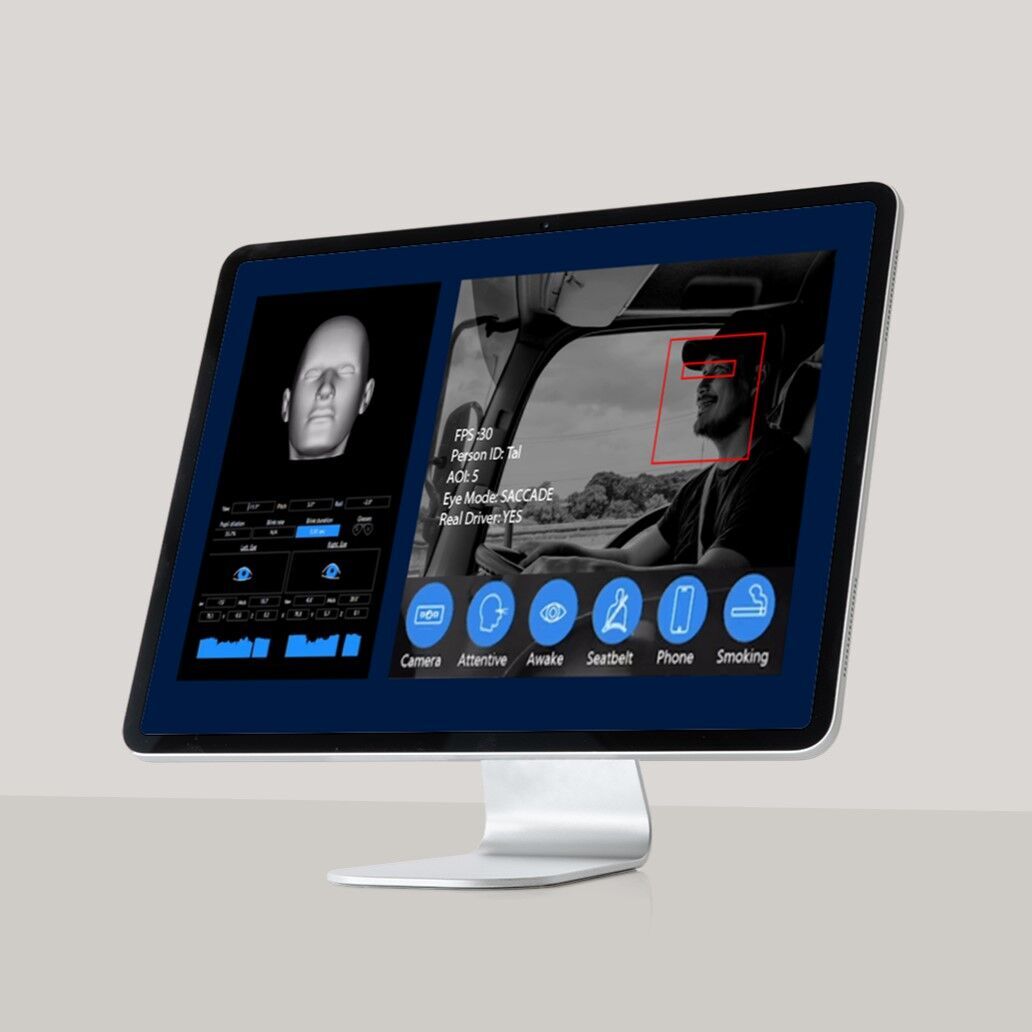
For businesses relying heavily on transportation, monitoring vehicle operations is critical. Real-time fleet monitoring allows companies to track vehicle condition, driver behavior, and detect potential technical issues early, preventing accidents before they happen. This data supports a broader safety management approach and enhances overall workplace safety.
The Benefits of Achieving Zero Accident
Implementing a zero accident approach brings tangible and long-term advantages for companies, both financially and operationally. Here are the key benefits your organization can gain:
1. Cost Savings
Reaching zero accident status significantly reduces expenses typically associated with workplace accidents. These include medical treatment costs, employee compensation, and repair or replacement of damaged equipment and infrastructure. The savings gained can then be reallocated to more productive investments that drive business growth.
2. Fewer Workplace Accidents
A zero accident environment is a clear indicator that your company has successfully minimized workplace hazards. Fewer incidents mean a higher level of safety is felt across the workforce, creating a work atmosphere that is not only safer but also more comfortable and reassuring for all employees.
3. Increased Productivity
A workplace free from accidents allows daily operations to run smoothly, without unexpected disruptions. Employees who feel safe and protected are more likely to stay focused, motivated, and efficient. This directly contributes to a substantial boost in overall business productivity.
Achieving zero accident is more than just hitting a safety target, but it’s a continuous commitment to building a safer, more efficient, and more competitive work environment. This commitment requires the right safety strategies, a strong culture of accountability, and the support of advanced technology.
Telkomsel Enterprise offers Fleetsight, designed to help your company reach zero accident by managing and monitoring vehicle safety through real-time driver activity tracking. Full visibility into your fleet and driver behavior enables you to minimize risks, improve efficiency, and uphold high safety standards.
Take the step toward zero accident today with Fleetsight by Telkomsel Enterprise, and transform your workplace into a model of safety and productivity.
Contact us now to discover effective solutions that optimize your business performance and secure a safer future with Telkomsel Enterprise.