Bahasa apa yang ingin kamu gunakan?



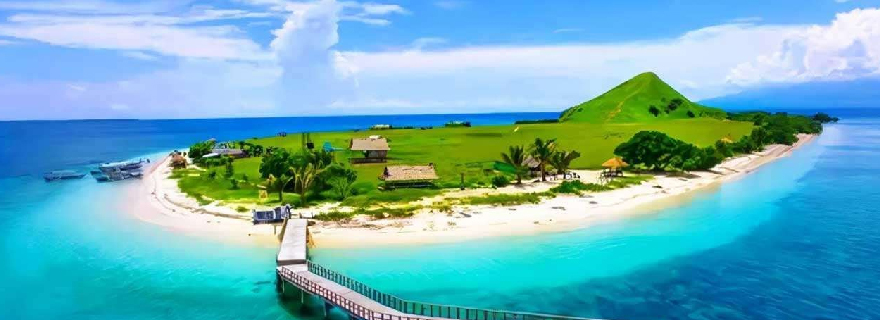
This complete guide explores the exotic beauty of Sumba Island, covering everything from its geographical differences to a list of its most iconic destinations. Pack your bags and get ready for adventure!
Do you often confuse Sumba and Sumbawa? Stop the mix-up now! These islands offer completely different charms. Sumba Island, a slice of paradise in East Nusa Tenggara (NTT), has earned global recognition.
If you are curious about Sumba Island's nickname, locals and history know it as Sandalwood Island (Pulau Cendana) because the island once produced top-quality sandalwood. What else is on our list? Check out these highlights:
Needing urgent internet access, but your signal is weak? Don't panic! Open MyTelkomsel Basic, a super-light app designed to handle minimal signal conditions. You can check your balance or buy a data package instantly without heavy loading.
In this article, we thoroughly dissect the Sumba Island Travel Guide, ensuring you can plan your route without confusion. Let's get right to it!
Read Also: 10 Must-Try Traditional Papuan Foods
The most frequently asked question is: What makes Sumba and Sumbawa different? Although their names sound similar, they belong to different provinces and possess extremely contrasting natural characteristics.
Many people still ask if Sumba is part of NTT. The answer is yes. Sumba Island belongs to East Nusa Tenggara (NTT), while Sumbawa is located in the West Nusa Tenggara (NTB) region.
Topographically, Sumba Island in NTT features vast limestone hills and expansive savannas, while Sumbawa is famous for its volcanic mountains.
To easily distinguish between the two before booking your flight, take a look at the comparison table below:
Key Difference | Sumba Island | Sumbawa Island |
Province | East Nusa Tenggara (NTT) | West Nusa Tenggara (NTB) |
Nickname | Sandalwood Island / Humba | Bumi Samawa |
Main Attractions | Sandelwood Horses, Marapu Culture, Traditional Villages | Mount Tambora, Moyo Island |
Main Airports | Tambolaka (TMC) & Waingapu (WGP) | Sultan Kaharuddin III (SWQ) |
Avoid landing at the wrong location! If you seek a cultural adventure steeped in an African savanna atmosphere, Sumba Island is your ideal destination.
Are you ready to explore? Sumba is divided into several regencies, but tourists generally split their routes into West Sumba (via Tambolaka Airport) and East Sumba (via Waingapu Airport).
To help you plan your itinerary easily, here is a list of the must-visit Sumba Island tourist attractions:
This unique natural phenomenon is a saltwater lake. Seawater flows through the coral crevices, filling the lagoon. You must try jumping from the provided wooden cliff or simply floating in its incredibly blue and crystal-clear water.
Situated on the beachfront, this village offers a magical ambiance with rows of megalithic stone tombs adorning its yard.
The traditional house roofs, soaring up to 15 meters, were designed without nails: a masterpiece of traditional architecture that stands sturdy against the sea winds.
A giant, holed rock formation serves as the main icon here, creating a natural archway on the beach. Make sure you arrive at low tide; you can walk through the hole to capture a breathtaking sunset photo.
Hidden behind shrubs and coral, this beach is narrow, yet its water remains incredibly calm, enclosed by two high cliffs. It feels like having a private, pristine seaside pool.
Nestled in the hills, this village presents a symmetrical panorama of traditional houses when viewed from above.
The locals are exceptionally friendly; you can rent Sumba traditional attire to take photos in front of the Uma Bokulu (Big House).
Read Also: 40 Best Lombok Tourist Attractions 2025: From Beaches to Culture
Located within the Manupeu Tanah Daru National Park area, this waterfall boasts a unique tiered structure. Its turquoise water flows rapidly over limestone rocks, creating a cool and lush tropical forest atmosphere.
This is the true "face" of Sumba: a boundless stretch of savanna hills that change color with the seasons. Visit during the golden hour (early morning or late afternoon) to watch the sun's gradient light sweep across the hill ridges.
This beach offers a dual wonder: soft white sand and unique, dancing, dwarf mangrove forests.
At sunset, low tide, the shadows of the mangrove trees reflect on the shallow water's surface, creating a highly artistic silhouette photograph.
Unlike Wairinding, which is hilly, Puru Kambera is a vast, flat savanna plain with a blue ocean backdrop. You will feel like you are on an African safari as you watch herds of Sumba Sandalwood horses run freely here.
Often nicknamed Sumba's "Grand Canyon" because of the multi-layered and highly artistic rock formations flanking the water flow. The cold, clear water is perfect for relaxing after a fairly challenging trekking journey.
Read Also: Senggigi Beach: More Than Just a Beach, It's the Heart of Lombok!
Exploring Sumba Island means embracing the courage to step out of your comfort zone and appreciating the extraordinary local wisdom. Every corner of this island tells a different story.
To ensure your adventure remains comfortable and you never worry about your data quota, install MyTelkomsel Basic. This application truly saves the day in minimal signal areas, allowing you to update your journey.
Always remember to act politely toward the locals and bring sunblock: the Sumba sun greets your skin enthusiastically! Happy adventuring!
Short Video baru dan seru
Derawan Island: Surga Bawah Laut, Berapa Biaya Trip-nya?
Padar Island: 3-Color Beaches & the SiOra Regulation!
Timor Island: A Guide to 6 Regencies & Their Exotic Spots!
Ini Beda Pulau Sumba & Sumbawa Serta 10 Spot Hitsnya!
 Komentar
0
Komentar
0